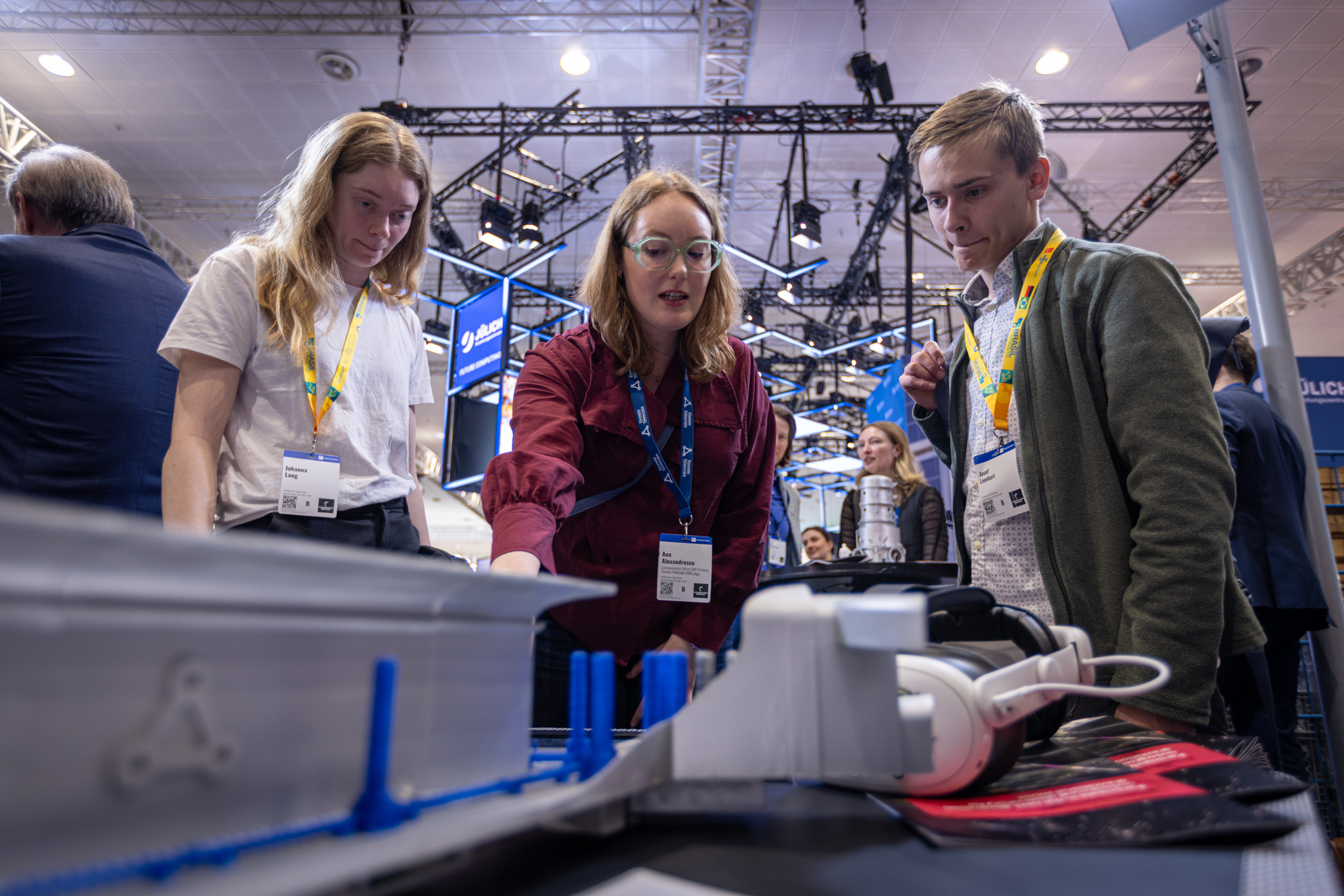
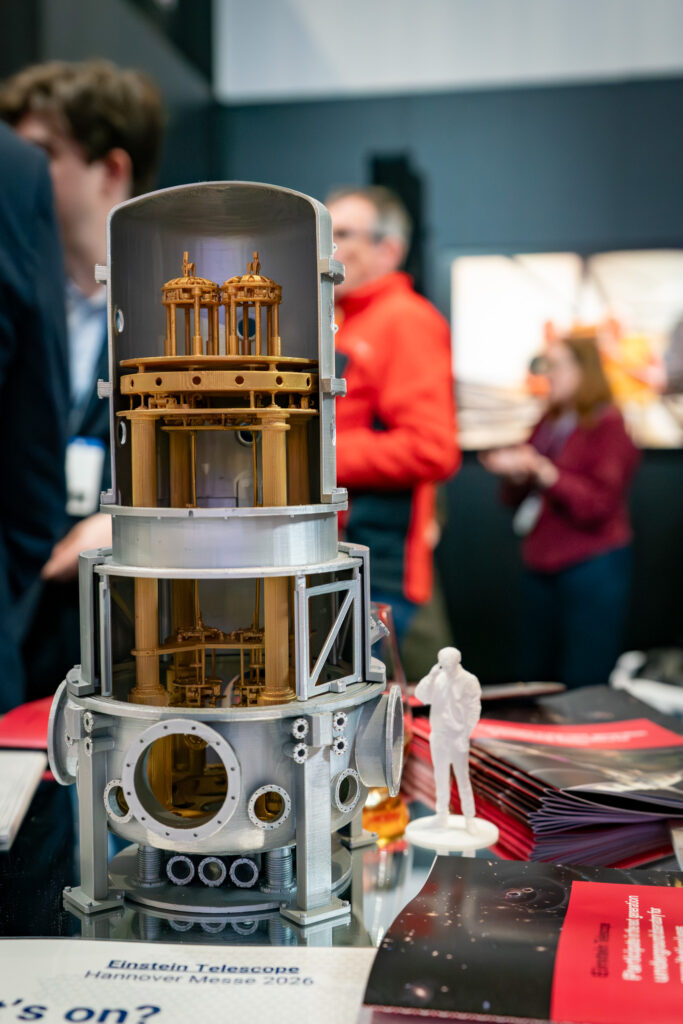
The power of international collaboration through the Einstein Telescope at Hannover Messe
At Hannover Messe 2026, the Einstein Telescope EMR demonstrated how science, industry and public authorities in the Meuse-Rhine Euroregion are working together to build one of Europe’s most ambitious research infrastructures. From technological innovation to talent development: the fair highlighted the broad support the project now enjoys.
Trinational collaboration takes shape
During the opening of the Einstein Telescope stand, the Dutch Minister of Education, Culture and Science, Rianne Letschert, looked back on three years of intensive collaboration and on the decisive phase that now lies ahead. She also spoke with German Federal Minister Dorothee Bär, Lower Saxony Minister Falko Mohrs and North Rhine-Westphalia Minister Mona Neubaur about the development and construction of the telescope.
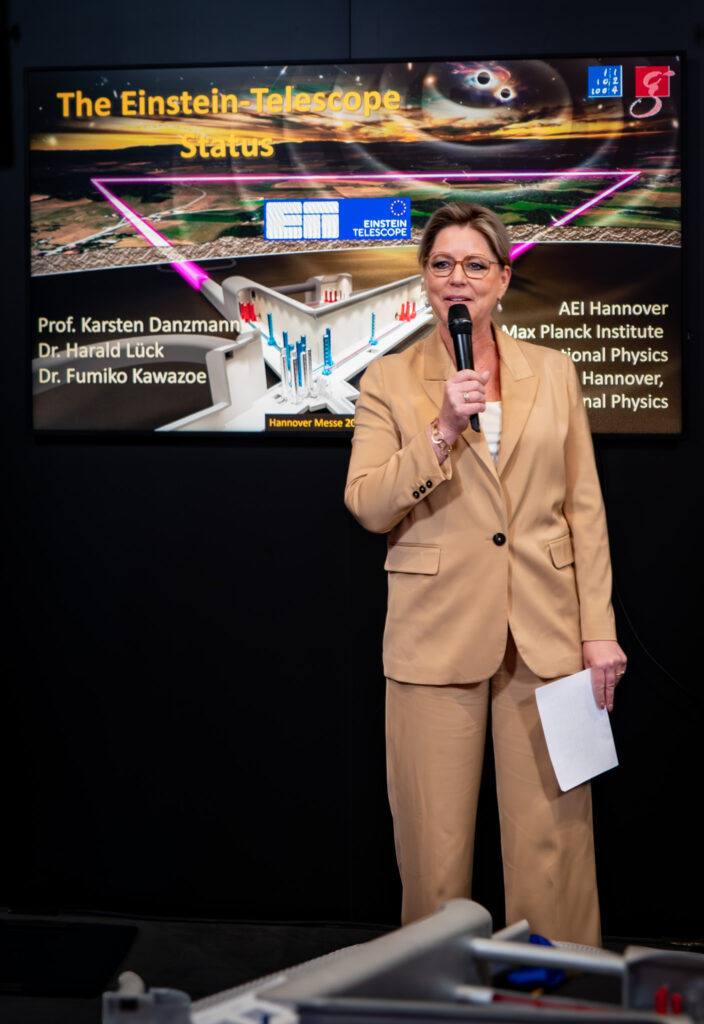
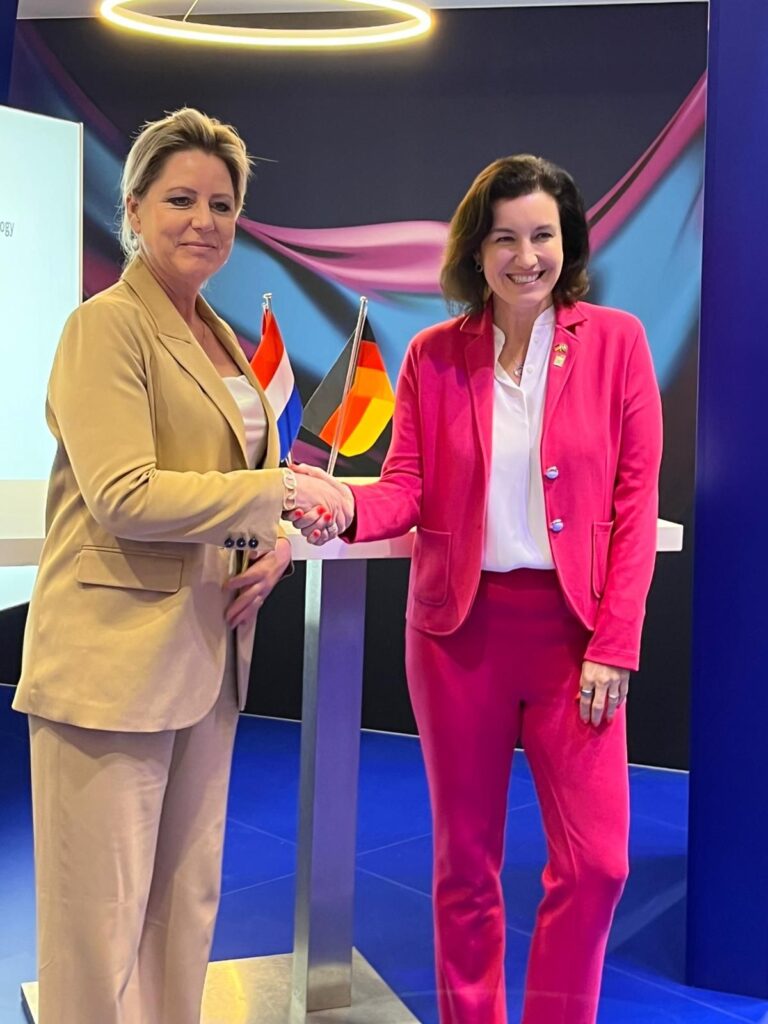
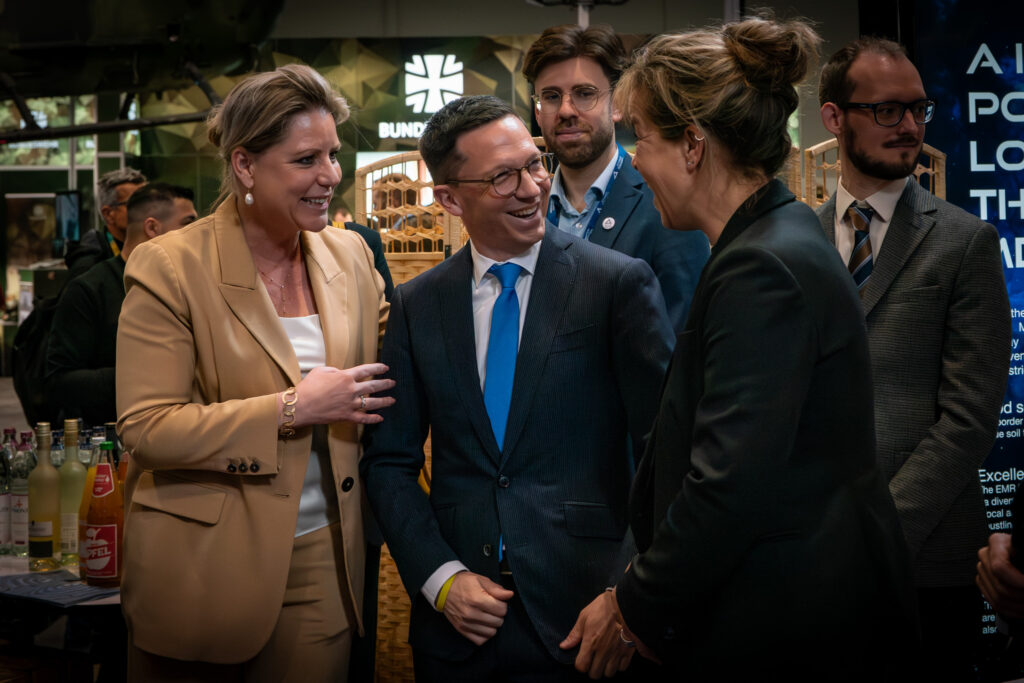
Right: Mona Neubaur (NRW)
Piet Heirbaut, Belgian ambassador in Germany, emphasised cross-border coordination, whilst Prof. Karsten Danzmann, director of the Max Planck Institute for Gravitational Physics (Albert Einstein Institute – AEI),and Dr. Harald Lück from Leibniz University in Hannover, outlined the technical progress of the project. Dr. Fumiko Kawazoe (AEI)also highlighted the growing German-Dutch student programme, which actively involves young researchers.
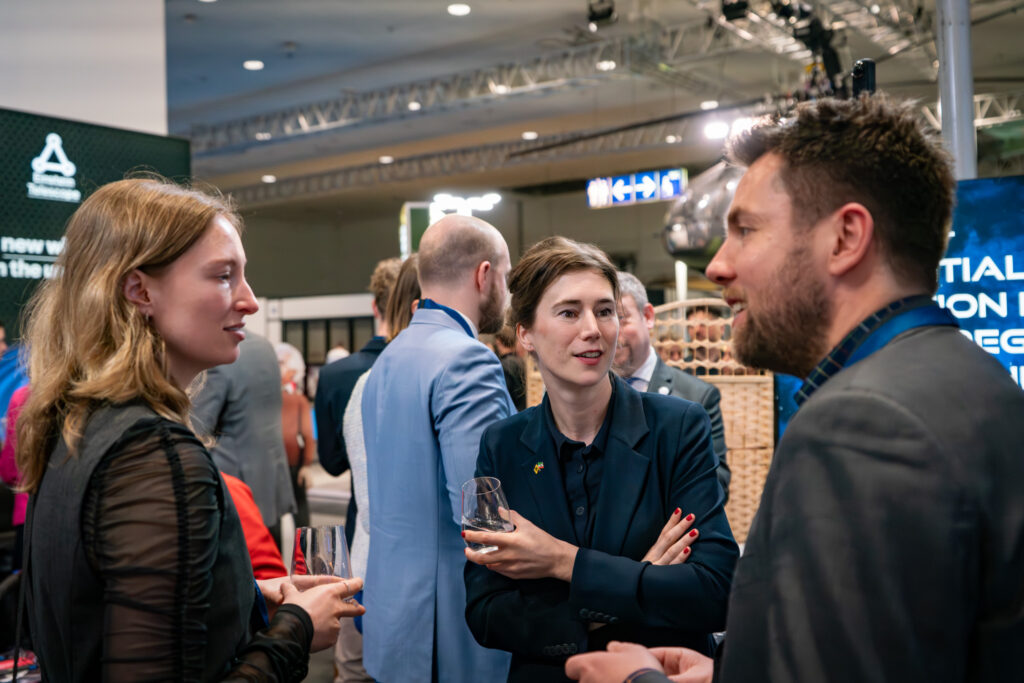
During the networking event on the opening day of The Giant Einstein Telescope, Belgian astronaut Frank De Winne (ESA) linked the Einstein Telescope to research in space itself, showcasing the complementary between ET and LISA (Laser Interferometer Space Antenna), alongside Prof. Dominick Ersässer (TU Dortmunt) who explained the science behind ET.

Building together with industry
A key theme at the fair was collaboration with companies. Projects such as ET-CRISTAL, ECRYR and BEAMPIPES4ET — presented by researchers from ULiège, the CRM Group and RWTH Aachen University, among others — demonstrated how researchers and industry are working together to find solutions to complex technological challenges.
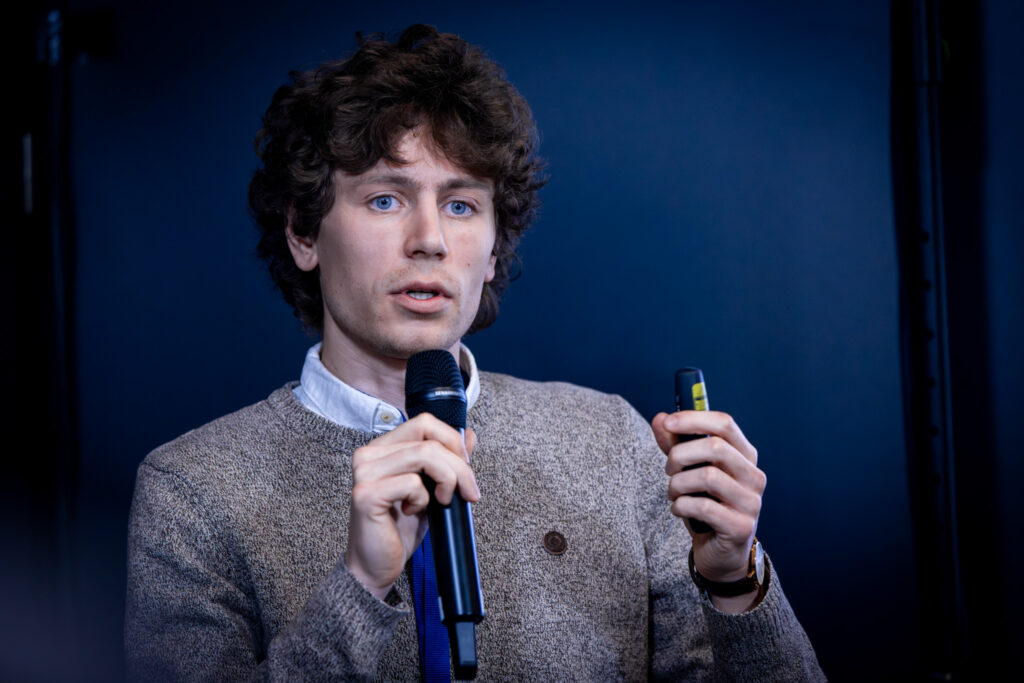
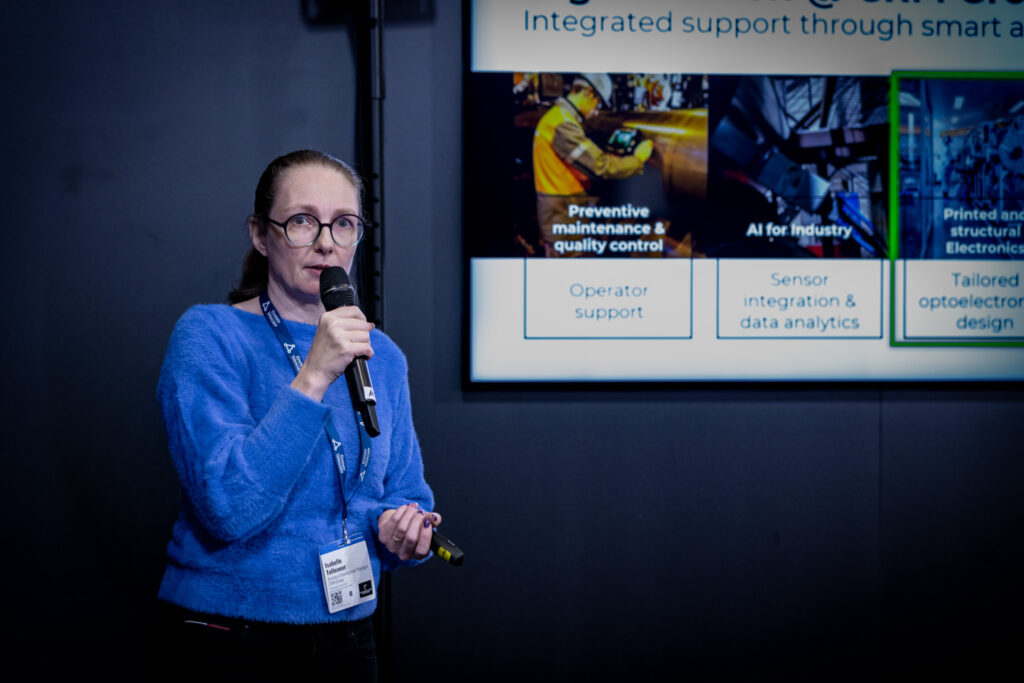
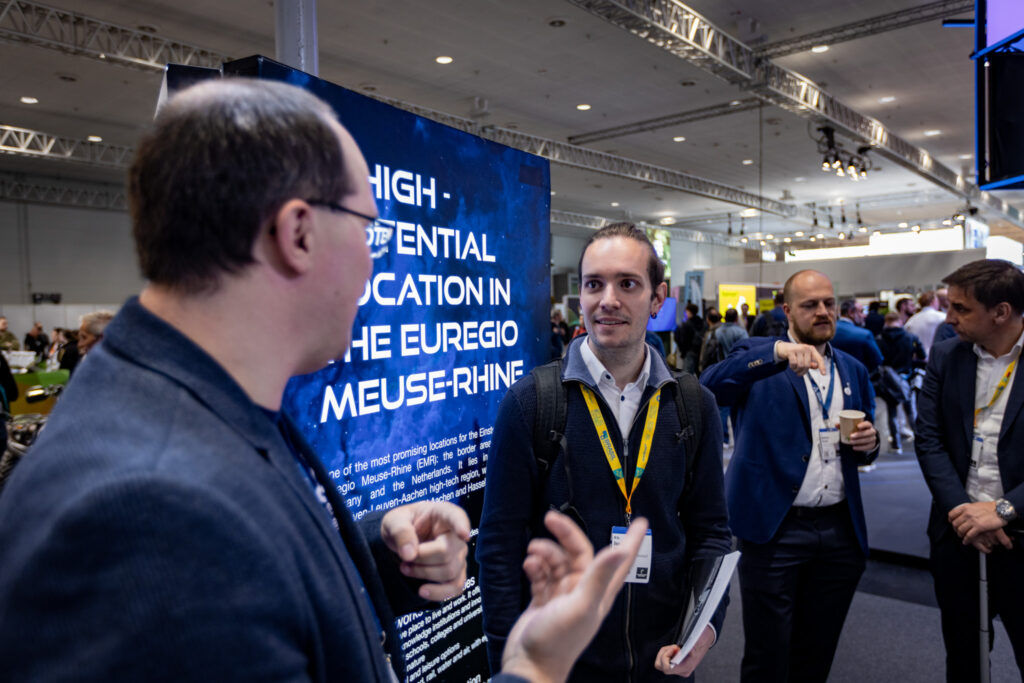
According to the researchers involved, this collaboration revolves around open innovation: companies contribute specialist knowledge, whilst the project creates new applications and opportunities. The German project UHV.NRW and companies such as Boolean from Flanders also demonstrated how technologies for the Einstein Telescope can be applied more widely.
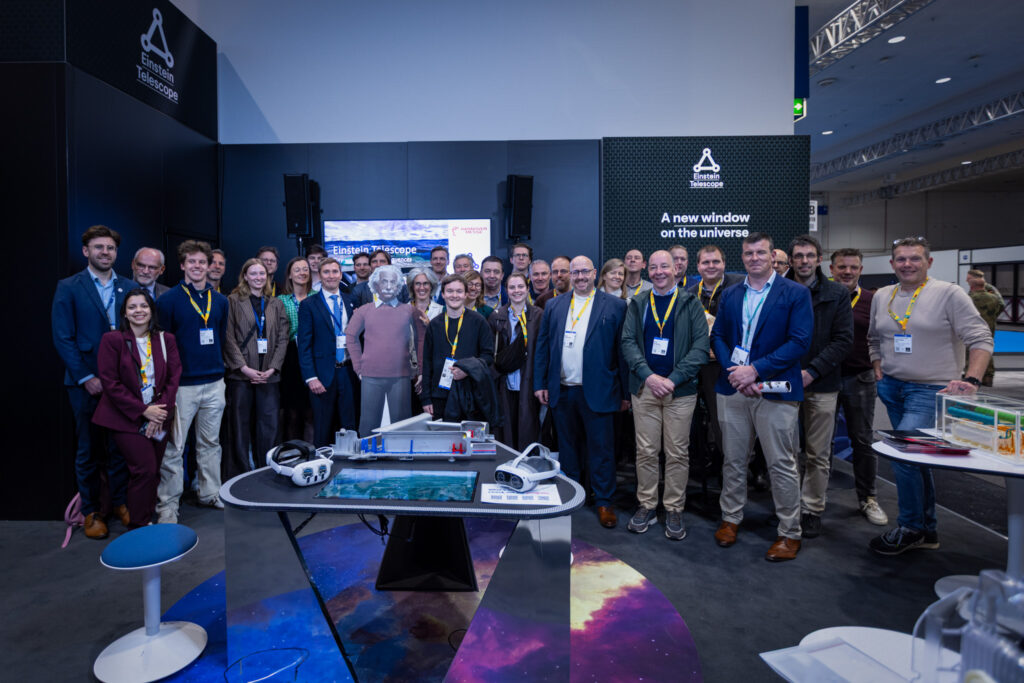
There was considerable international interest. Political delegations from Baden-Württemberg and a delegation of Flemish companies visited the stand, confirming the growing interest in the ecosystem surrounding the Einstein Telescope.
Innovation and opportunities for the region
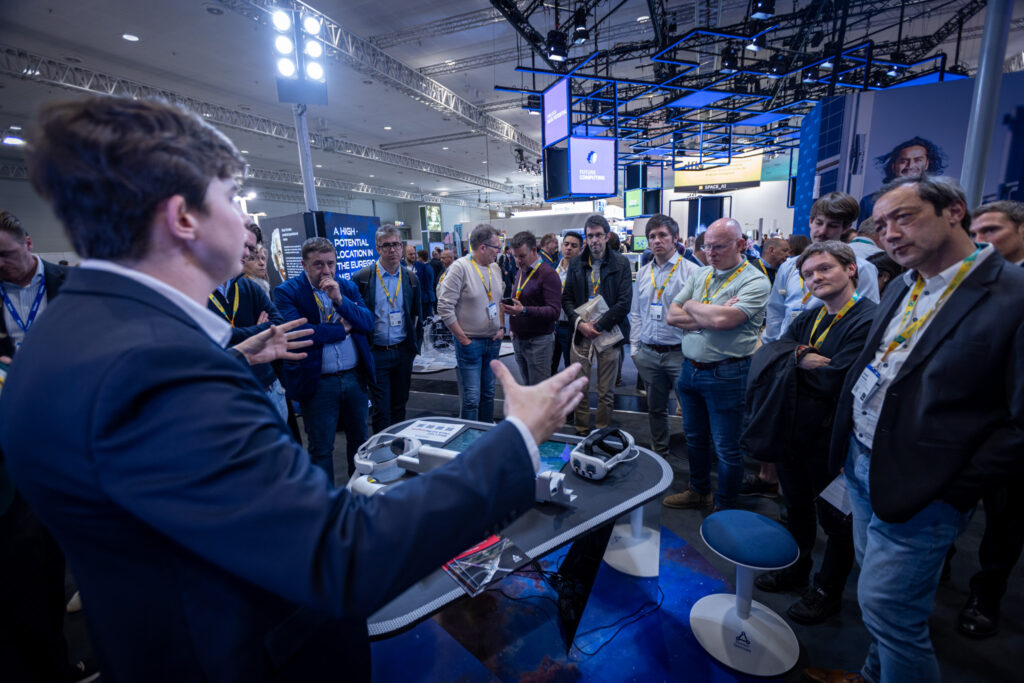
On the third day of the fair, the focus was on the economic and societal opportunities offered by ET technologies. In an Expert Stage panel featuring Prof. Achim Stahl (RWTH Aachen University and ET EMR project office), Anouk Schmid (ET EMR bid book – LIOF), Hans Plets (ET Flanders) and Thomas Nagels (Boolean), moderated by Ellen Tomesen from the Dutch Embassy in Germany, the discussion centred on how scientific ambition can develop into innovation and regional strengthening.

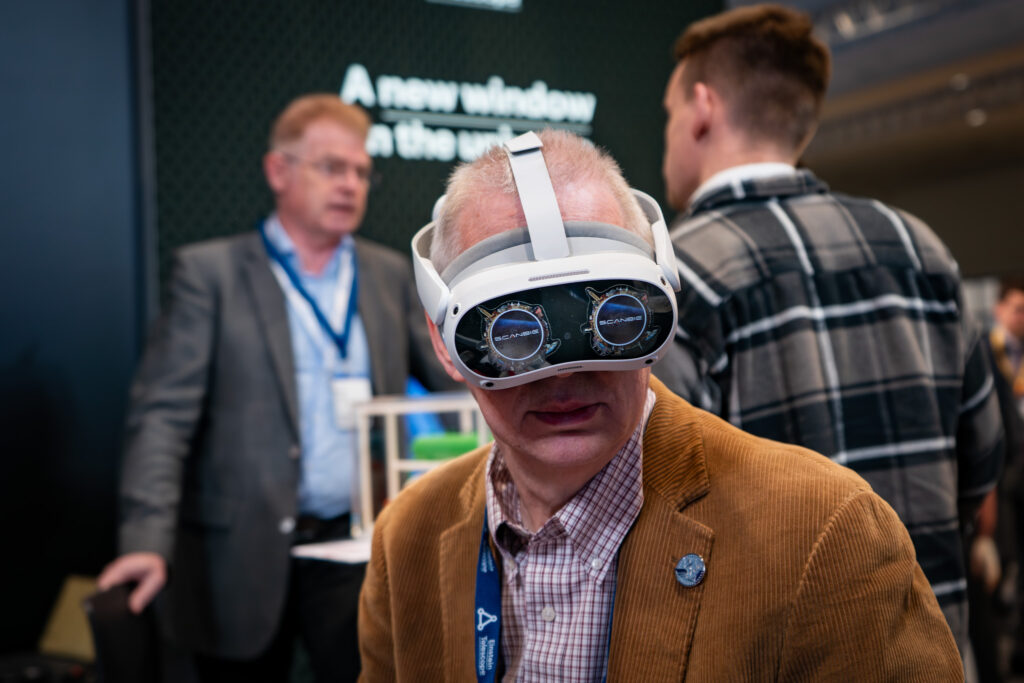
Demonstrations and sessions on AI, energy and security brought that connection to life. The Einstein Telescope thus presented itself not only as a scientific project, but also as a catalyst for new value chains and industrial collaboration in Europe.
The next generation
On the penultimate day of the fair, the focus was on students. Their presentations underscored that the Einstein Telescope is not just about technology, but also about people and talent development.
Led by Prof. Achim Stahl of RWTH Aachen University and Dr. Fumiko Kawazoe of the Albert Einstein Institute, it became clear how important education is for European leadership in advanced research infrastructure. With the focus on young talent, the week ended with a clear vision of the future.
The Hannover Messe thus made it clear that the Einstein Telescope is much more than a future observatory. It is a joint project in which science, industry and new generations are working together to build a shared European future.